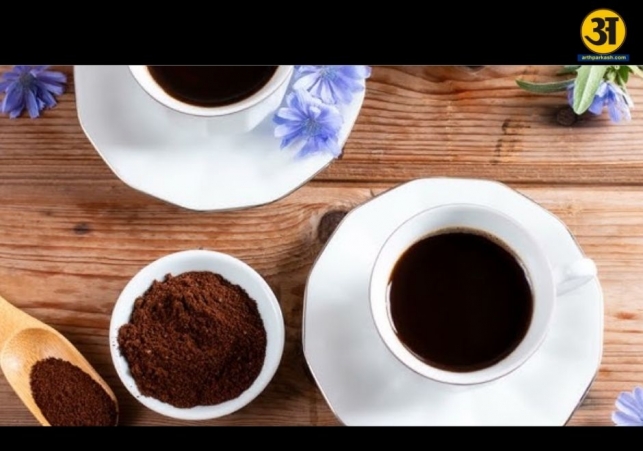
The truth about coffee adulteration and the chicory debate
Is your coffee really pure or just a clever blend?
A recent viral video about coffee adulteration has left many coffee lovers worried. The video claimed that, with the rising price of coffee, brands might start using fillers like chicory in larger amounts to cut costs, making your morning cup less authentic. This raised a key question: Is our coffee truly being compromised, or is this just another internet scare?
To get the answers, we spoke with experts in India’s speciality coffee industry, including certified Q-graders and roasters. Their views reveal a much clearer picture, separating myths from facts and explaining why chicory may not be as bad as some make it out to be.
What coffee adulteration really means
The first thing experts stress is the meaning of the term “adulteration.” It is not about what is added, but rather what is being hidden or misrepresented. For example, if a brand claims to sell 100% Arabica coffee but secretly mixes in cheaper Robusta beans, that is adulteration. It might not harm health, but it misleads consumers and damages trust.
Some coffee sellers also mix low-quality or stale coffee with fresher batches to save money. This is another form of adulteration — not because it’s dangerous but because it violates consumer expectations of quality.
Mithilesh Vazalwar, a well-known third-wave coffee roaster, explains, “The real problem is when companies don’t disclose what’s in the bag. Transparency is the key. If a label clearly mentions the type of beans and blends, it’s not adulteration — it’s honesty.”
Chicory: a tradition, not an adulterant
Chicory is often wrongly called an adulterant, but experts say that is simply not true. Chicory, a Mediterranean plant with a thick taproot, has been a part of India’s coffee culture for decades, especially in South Indian filter coffee. When dried, roasted, and brewed, chicory creates a dark, rich drink with chocolate-like notes, adding depth to coffee’s flavour.
Pratyush Sureka, founder of Vita Nova Gourmet, explains, “Chicory is not an adulterant if used transparently and in moderation. Many coffee brands openly sell blends like 80:20 or 70:30 coffee-chicory, and the ratio is always mentioned on the packaging. If it were an adulterant, they wouldn’t be printing it so clearly.”
During past coffee shortages, chicory gained popularity as a cheaper alternative, and over time, it became an essential part of traditional filter coffee blends. Even today, the Food Safety and Standards Authority of India (FSSAI) has regulations that limit how much chicory can be added. This ensures customers know what they are buying.
Calling these blends “adulterated,” experts say, is disrespectful to India’s coffee traditions. Vazalwar adds, “South Indian filter coffee is iconic. Labelling it as adulterated just because of chicory shows a lack of understanding of its cultural significance.”
ALSO READ: Toxic taps: Scientists sound alarm over ‘Forever Chemicals’ in U.S. drinking water
ALSO READ: Water scarcity and its impact on global food security
Rising coffee prices and quality concerns
There is no denying that coffee prices have gone up globally due to various factors such as climate change, poor harvests in Vietnam and Brazil, supply chain disruptions, and increasing demand. These challenges have raised concerns about whether brands might cut corners on quality.
However, industry experts believe that responsible brands maintain strict quality standards and do not compromise on authenticity. Sureka explains, “At Coffee Island, we provide 100% pure Arabica with zero chicory, and everything is ethically sourced and traceable back to the farm. We focus on consistency and honesty, no shortcuts.”
Vazalwar agrees that while profit margins may be tighter, the Indian coffee culture has matured. With the rise of speciality coffee, consumers now expect transparency, and quality-focused roasters are committed to meeting these expectations.
The real issue: trust, not chicory
The confusion around coffee adulteration comes from misinformation spreading online. Many influencers are quick to raise alarms without understanding the difference between blending and adulteration. Chicory, when openly disclosed, is not a problem. The real issue is dishonesty — when labels do not match what’s inside the pack.
For consumers, the best way to avoid adulterated coffee is to buy from trusted brands that are transparent about their sourcing and blends. If a product clearly mentions its composition and origin, there’s little to worry about.
So, is coffee adulteration real? Yes, but it’s not as widespread or alarming as some online claims suggest. The bigger concern is transparency, not chicory. Blends like South Indian filter coffee are part of a long-standing cultural tradition, and chicory plays a role in giving them their distinct flavour.
As coffee prices rise, consumers should focus on buying from honest brands rather than fearing every blend. In the end, chicory isn’t the enemy — a lack of clarity and misleading labelling is.
Related News